


The Problem with Plastic

Plastic has been one of the most significant materials of the modern age in advancing science and engineering. It has revolutionised industry the world over and has allowed us to live in the modern, medically and technologically advanced world we live in today. However, is it time we leave plastic behind? The problem of plastic pollution is devastating environments and eco-systems all over the world. We hear of the destruction to nature that is being caused by plastic, but perhaps the scope of the problem is so vast that we simply cannot conceptualise it.
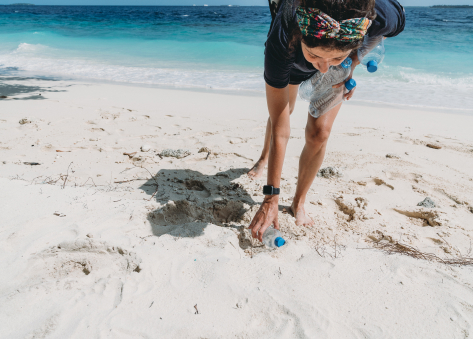
In our oceans, there are more than 5 trillion pieces of plastic waste, with a further 8 million pieces being added to that total on a daily basis. In weight, that is over 170 million tonnes of plastic pollution in the ocean today, with 8-14 million more tonnes being added every year. The majority of this plastic pollution is made up of discarded everyday items such as clothing, crisp packets, bottles and buckets. These pollutants can be blown into the sea from beaches or ships, can be carried in rivers from litter or landfill, or can even be flushed down toilet. Among the many properties that make plastic so ideal for manufacturing are its durability and its corrosion resistance, but that also means when plastic becomes pollution it can take centuries to break down.
The environmental toll of plastic does not begin and end with plastic pollution. The ecological cost alone of extracting the oil, coal or whichever raw material it is made from is extreme. 400 million tonnes of plastic are produced every year worldwide, with more than 40% of it being for single-use products. These plastic items are designed to be thrown away after a single use, though they do not rot in the way paper or food does. Plastic is not only not biodegradable, but many types of it are not recyclable either. Even out of all the items that can be recycled, the majority of them won’t be. For example, some types of disposable coffee cups are made with a plastic lining for waterproofing. More than 7 million of these cups are thrown away every day, yet only 1 in 400 of them is recycled. The rest are discarded to be sent to landfill, or worse still are littered, and contribute to the growing problem of plastic pollution. It is estimated that at the current rate, the amount of plastic in the ocean will outweigh the fish by 2050.
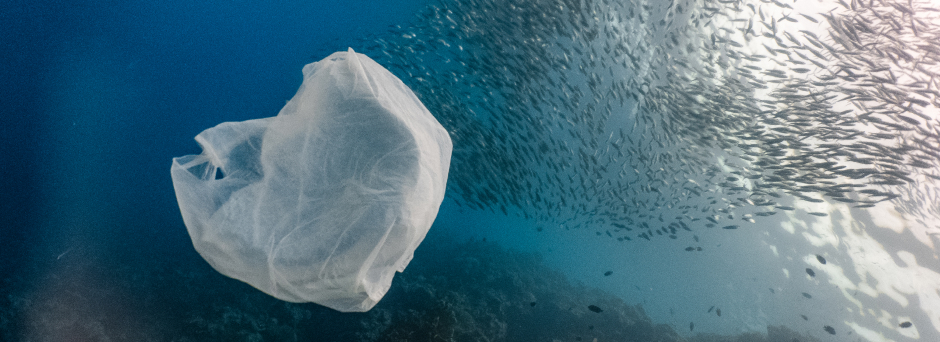
A study by the Marine Conservation Society in the UK found that there was ‘no difference’ in the amount of litter found in protected areas of natural importance compared to non-protected areas. When it comes to the types of litter found in these sites, plastic is always the worst offending item. These protected areas in which wildlife and natural habitats are at risk are increasingly coming under attack from the effects of plastic pollution. Birds, fish, shellfish and other small animals often mistake small pieces of plastic for food and therefore eat it, even though they can’t digest it. This means their stomachs become so full of plastic that they do not have room for actual food, and so die of starvation and malnutrition. Over 100,000 marine animals and 1 million sea birds are killed every year as a direct result of plastic pollution.
Research by the environmental charity Keep Britain Tidy found that more than 2 million pieces of litter are dropped in the UK every day, with the majority of it being plastic. 13 billion plastic drinks bottles are sold in the UK every year, meaning the average person uses over 5 bottles per week. Of these bottles, only 43% are recycled and more than 700,000 of them are dropped as litter every day. The cost involved in cleaning this litter from streets, parks, woodlands, beaches and so on is more than £1 billion per year. As well as the enormous expense this litter causes, it is also responsible for the deaths of 3 million animals per year in the UK.
The problem with plastic is terrifying: the expense, the harm to the environment and the number of animals it kills. For a problem of such magnitude, drastic changes need to be made quickly. One necessary change is increasing the proportion of plastic that is recycled. More important than this, however, is shifting away from plastic to sustainable, environmentally friendly alternatives.
Share this article
Related articles for you

Why Labels Matter: The Power of Packaging in Recycling Behaviour

Trump’s War on Paper Straws: The Facts He Doesn’t Want You to Know

Simpler Recycling Update: Separate Paper and Cardboard Collections in UK

The Impact of New EU Packaging Laws on Northern Ireland Business
How European Consumers Are Driving the Green Business Transformation
New Climate Reporting Mandates | Northern Ireland

Subscribe To Our Newsletter
To keep you up date to our new products and lates news
Free shipping on all orders over £200*
Subscribe To Our Newsletter
To keep you up date to our new products and lates news
Free shipping on all orders over £200*
Frequently Asked Questions
Our paper straws are made by stacking 3 plies of high-quality food grade kraft paper and putting them through a core-winding machine that applies an adhesive and rolls the straws into shape. They are then cut to size, coated in lacquer to ensure quality and are then ready to be sold.
Get social